
Jay Leno: former host of The Tonight Show and famous comedian.
Rob Gronkowski: Super Bowl champion and celebrity spokesperson.
Matt Adair: just like them.
At least, in one way.
The three of us follow the same money philosophy when it comes to how we earn and spend.
This philosophy has become known as the “Jay Leno Rule.”
Here’s how the Jay Leno Rule works, as explained by the man himself in an interview with CNBC:
From the moment he entered the working world, “I always had two incomes,” [Leno] explains to CNBC. “I’d bank one and I’d spend one.”
And he made sure to spend the smaller amount.
“When I was younger, I would always save the money I made working at the car dealership and I would spend the money I made as a comedian,” he says. ”When I started to get a bit famous, the money I was making as a comedian was way more than the money I was making at the car dealership, so I would bank that and spend the car dealership money.”
“When I got ‘The Tonight Show,’ I always made sure I did 150 [comedy show] gigs a year so I never had to touch the principal,” Leno says. “I’ve never touched a dime of my ‘Tonight Show’ money. Ever.”
″So many people get to be the age I’m at now and they’ve got nothing because they just blew it all,” he says. “I put my money in a hammock and say, ‘You relax. I’m going to go work.’ And when I come back, I put some more money in the pile.
“It sounds ridiculous, but if everything ends tomorrow, I know I’ll be fine.”
The Jay Leno Rule is such a simple and powerful money philosophy.
The Jay Leno Rule boils down to three simple steps:
- Earn income from multiple sources.
- Spend only the money from one income source, preferably the smaller one.
- Save and invest the rest.
If you can employ this strategy, you can create significant wealth for you and your family.
I’ve been following the Jay Leno Rule since 2011 when I started with my law firm and got my first job teaching at a law school. More on that below.
First, let’s revisit Leno’s story.
When we think of Leno today, we think of the famous and wealthy host of The Tonight Show. His net worth is estimated to be $450 million. He could buy anything he wants.
But, read his story again. He developed good money habits before he got famous. He earned two incomes from working at a car dealership plus doing standup comedy shows and always saved one of those incomes.
Don’t gloss over that part. Leno established a strong financial foundation early in his career, before he started making a ton of money.
Because he had established the habit, he continued earning multiple salaries, even after his income soared with The Tonight Show. That’s impressive.
Leno’s story shows why practicing good money habits is so important early in our careers.
You’ll also notice that Leno took nothing for granted: “if everything ends tomorrow, I know I’ll be fine.”
Leno wasn’t referring to the world ending. He was talking about losing his job. He meant that if is income went away, he had saved enough that he didn’t have to worry about it.
That is freedom.

Rob Gronkowski follows the Jay Leno Rule.
NFL legend Rob Gronkowski applied the Jay Leno Rule during his career as an NFL superstar and celebrity endorser. He explained his money philosophy recently on the “Bussin’ with the Boys” podcast:
“I didn’t know how long the NFL was gonna last. I was a second-round pick, so it was like a four-year, $4 million deal, and I was like, if I can play this contract out, I’ll be set for life.
I just always wanted to save it, and I just used my money that I was getting off the field to just spend it on whatever I needed to spend it on. Technically, I have not spent any of my NFL money.”
Gronk is a very smart man. Just like Leno, he established the habit of saving one of his sources of income early in his career.
Again like Leno, he didn’t take his career for granted. He didn’t fool himself into thinking that his high salary would always be coming in. Even if he got injured or failed to perform during his initial contract, he would be just fine.
Imagine how much confidence that gave him on and off the field. Because he knew he was set financially, he did not have added pressure to perform. He could be himself and play the sport that he loved without worrying about his next contract.
There’s no doubt in my mind that feeling of financial freedom helped him perform at his best on his way to winning four Super Bowls.
How I’ve applied The Jay Leno Rule to build significant wealth.
Just like Gronk, I have applied the Jay Leno Rule since I first earned multiple income streams in 2011.
Back then, I had just left my first job after law school as a judicial law clerk and started at my law firm. It was also the first year I taught a law school course.
My primary financial goal at the time was to pay off my student loan debt. The Jay Leno Rule helped me do just that in a fraction of the time it otherwise would have taken.
Executing the strategy was easy. When I received my monthly paycheck from teaching, I immediately made an extra payment on my loans. It gave me an emotional boost to put that money to good use before I was tempted to blow it on something else.
I wasn’t earning a lot teaching back then, but every bit helped to accelerate my debt payoff.
You can play around with my Student Loan Payoff Calculator and see for yourself how even small extra payments can make a huge difference.
I did the same thing with any bonus I received: as soon as it hit my account, I used it to pay off my loans.
The Jay Leno Rule works because it forces you to save money.
We know that our saving rate is the one thing we can truly control on our way to financial independence.
Even though most of us would agree that we should be saving more money, sometimes it’s easier said than done. That’s where Jay Leno’s Rule is so helpful. If you commit to the philosophy, you’ll be forced to automatically save your supplemental income.
Once you commit to the philosophy, the execution is easy.
As soon as the money hits your checking account, you move it to one of your savings or investment accounts, or use it to pay off debt. Do this right away so you don’t get tempted to spend the money elsewhere.
This is exactly what I continue to do today because I knew that if the money sat in my checking account, it would slowly disappear.
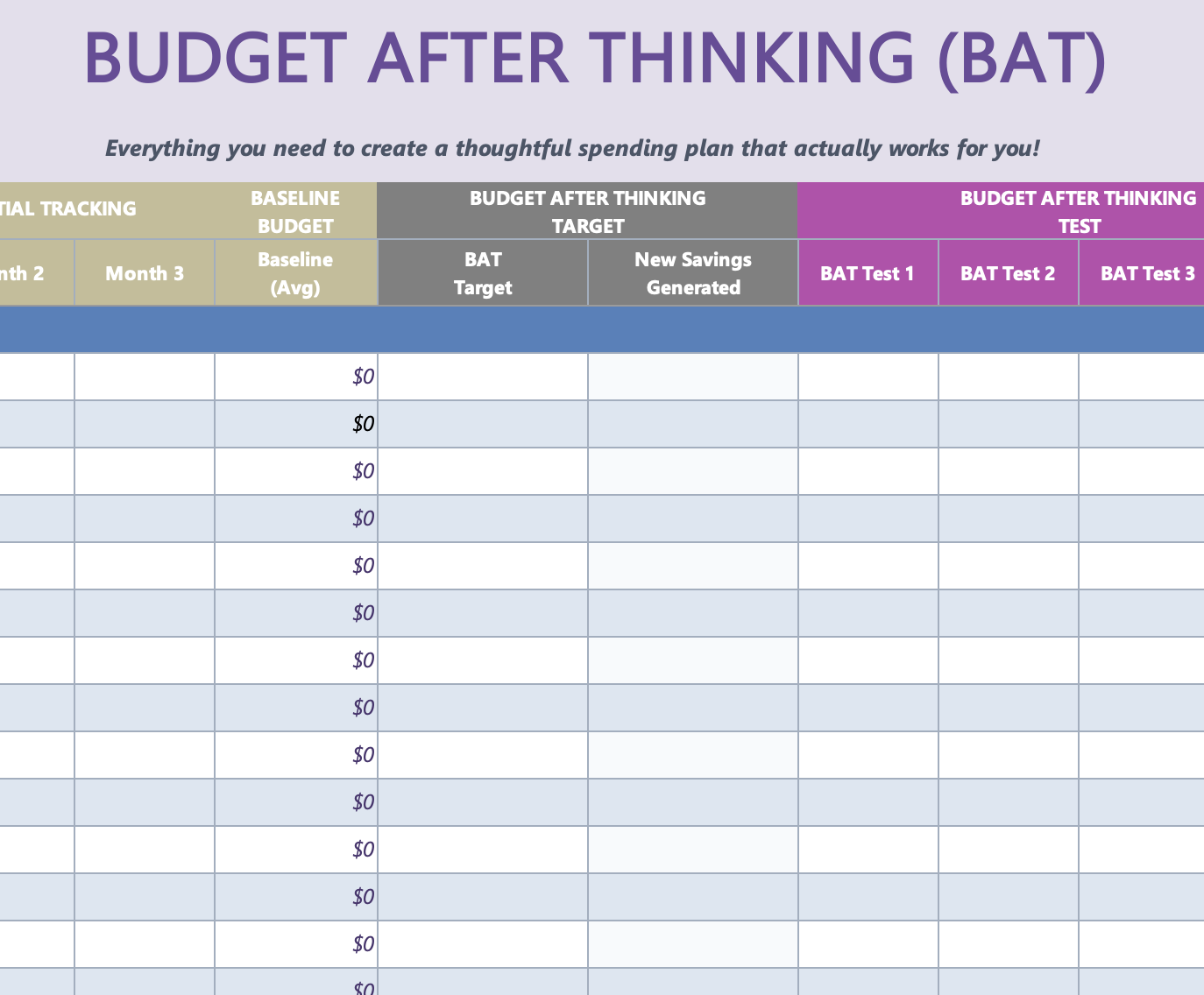
One other tip: don’t include this money in your Budget After Thinking. Pretend you never even had the money. This is a money mindset trick that will help you solidify the habit.
Because my teaching paychecks and bonuses were irregular, I did not factor them into my budget. It might sound silly, but I just pretended that extra money wasn’t really mine. As soon as it came in, I put it to good use.
Help yourself out by pretending your supplemental income isn’t even yours. This applies to side hustles, bonuses, windfalls, etc.
Use this extra money to advance your financial goals and continue living off of your salary.
The key to establishing the habit is starting early in your career, like Leno and Gronk did. It’s important to do this before you become dependent on spending the supplemental income.
I have used the Jay Leno Rule since 2011 to turbocharge my net worth.
As the years went on, my wife and I have added income streams and continue to use the Jay Leno Rule. Here’s a snapshot of our income streams:
- My salary as an attorney
- Bonuses earned as an attorney
- My wife’s salary as an attorney (until 2025)
- Chicago Rental Property 1
- Chicago Rental Property 2
- Chicago Rental Property 3
- Colorado Rental Property
- Law School Course 1: Financial Wellness for Lawyers
- Law School Course 2: Moot Court & Appellate Advocacy S.1
- Law School Course 3: Moot Court & Appellate Advocacy S.2
Adhering to the Jay Leno Rule, my wife and I have only ever spent our salaries as attorneys. The rest of the income we earn goes directly to our financial goals.
Since 2011, we’ve built significant wealth by applying this simple strategy. Our financial goals evolved, but the strategy remained the same: earn multiple sources of income, live off of one source, invest the rest.
Early in my career, my primary financial goal was to get out of debt. Whenever I earned a bonus or a paycheck from teaching, I immediately transferred the money out of my checking account to pay down the debt.
Within a few years, my debt was gone.
But, I didn’t stop applying the Jay Leno Rule just because I was out of debt.
I had already done the hard part and established the habit of using any supplemental income for financial goals. That made it easy to then use any supplemental income to build up my assets.
That meant I could more aggressively invest in the stock market and more quickly acquire rental properties.
Today, my wife and I continue to apply the Jay Leno Rule. Any income from bonuses or side hustles goes immediately to paying off debt or to fueling our investments.
At first, I didn’t fully appreciate the impact the Jay Leno Rule had on my finances. That’s how personal finance works. It takes time for compound interest to work its magic.
Now, I’m seeing the results from the “forced savings.”
And, I’m so grateful that I learned the Jay Leno Rule early in my career.

I’ve had side hustles for just about my entire career as a lawyer.
My first side hustle was as an adjunct professor at a local law school, teaching just one class. I made hardly any money when I started teaching. It didn’t matter to me. I wasn’t dependent on the money to feed my lifestyle.
I was playing the long game. Because I got my foot in the door and did a good job, the school took notice. At my peak, I was asked to teach four classes. That meant I earned a lot more and could put all that extra income to financial goals.
At the same time, I also launched a rental property business with my wife. We now manage 11 rental units in Chicago and Colorado.
By the way, earning more money does not only apply to side hustles.
There are always ways to make more money within your primary job.
For example, can you earn a larger bonus by performing better?
Can you ask your employer for more responsibilities and a corresponding raise?
Or, can you earn additional money by generating business for your company?
It’s no secret that lawyers have the ability to earn more money if they generate business. That means bringing in clients.
How can you find these clients?
You can make it a priority to go to more events where you might meet potential clients.
You could launch a blog or create other content to help people find you and know what you do.
Either one of these pursuits could be your side hustle.
There are endless opportunities for anyone that is motivated and is looking to earn more money.
And when you earn and invest that additional money, you’re on your way to financial independence without having to sacrifice the things that make your daily life enjoyable.
If you take on a side hustle, don’t forget the Jay Leno Rule.
I recommend that every young lawyer take on a side hustle or look to earn supplemental income. And, when you start earning extra money, don’t spend it. Apply the Jay Leno Rule.
Never forget that when it comes to side hustles or supplemental income, it’s what you do with that extra money that makes it worth it.
A side hustle is another time commitment, after all. If you’re going to take on the responsibility, make sure it counts.
Before you consider a side hustle, have a plan in place for why you want additional money.
Are you looking to pay down debt faster?
Save for a wedding?
Invest in your first rental property?
To help you think through why you might want a side hustle, check out these three posts:
BTW, you’re not too busy or important for a side hustle.
Some lawyers reading this will automatically think, “I’m way too busy to even think about another job.”
In my personal finance class for law students, we spend a lot of time challenging that notion. Very few people- and I mean very few- are too important or too busy to take on a side hustle.
You may think you’re one of those “too important” people. I would challenge you to assess whether you’re confusing “too important” with “too stressed.”
Setting that conundrum aside, the ideal side hustle is something you enjoy doing that can earn you extra money at the same time. Some examples my students have come up with in class include:
- Bartending. Entice your friends to come to your bar by offering cheap drinks. You get to hang out with them and get paid at the same time.
- Fitness instructor. Instead of paying $48 for the spin class you love, become the instructor and get paid to lead the class.
- Dog Walker. If you love dogs and don’t currently have one of your own, what better way to fill that void in your life while making money. The same applies to babysitting.
- Home Baker. Make homemade treats with your kids and sell them to parents who don’t have the time.
The point is there are always ways to make more money by doing things you like to do anyways. Even if you’re busy. You just have to exert some mental energy to figure out how.

This idea of being “too busy” reminds me of a conversation my dad and I had when I was in high school.
Growing up, my siblings and I were busy kids. Sports, clubs, performances, classes, you name it. I made a remark to my dad about it at one point.
He responded that being busy wasn’t a bad thing because you don’t have time to fool around. When you have no choice other than to stay focused, you actually perform better in all facets of life.
You’re not thrown off by distractions because you’re locked in on accomplishing your goals. Back then, that meant going to class followed by soccer or basketball practice, a quick dinner, some homework and bed. I didn’t have any time for fooling around.
The same is true today.
I take care of business as best I can, while prioritizing my family and my health, and don’t have a lot of time to goof around.
I can see your eye rolls through your screen.
This guys is nuts. He’s a workaholic. He has no life.
The people who know me best would beg to differ.
They might even tell you that I’m pretty good at spending my working hours doing what is meaningful to me. And, that I spend my personal time with the people who are meaningful to me.
If you want to get ahead financially, you really only have two options.
At the end of the day, there are really only two ways to get ahead financially: spend less money and/or make more money.
Of course, if you really want to get ahead financially, earning more money at the same time you’re spending less money is a dominate combination.
This is what Jay Leno and Gronk did. It’s also what I did.
I was talking to a friend recently. He wants to improve his financial situation. After all of life’s expenses, he doesn’t have much left to invest and get ahead.
We talked about how there are no shortcuts. He either needed to start making more money or needed to spend less. It wasn’t what he wanted to hear at first. He wanted a quick fix.
Money doesn’t work that way, even if you win the lottery, inherit a large sum of money, or earn a huge bonus. If you don’t have a strong foundation, that money will disappear as soon as you get it.
If you take on a side hustle, you can use every dollar you earn to get ahead. Since this is new money you’re earning, you shouldn’t need it to fund your life’s expenses.
Avoid the temptation of using that money on things you don’t really want anyways.
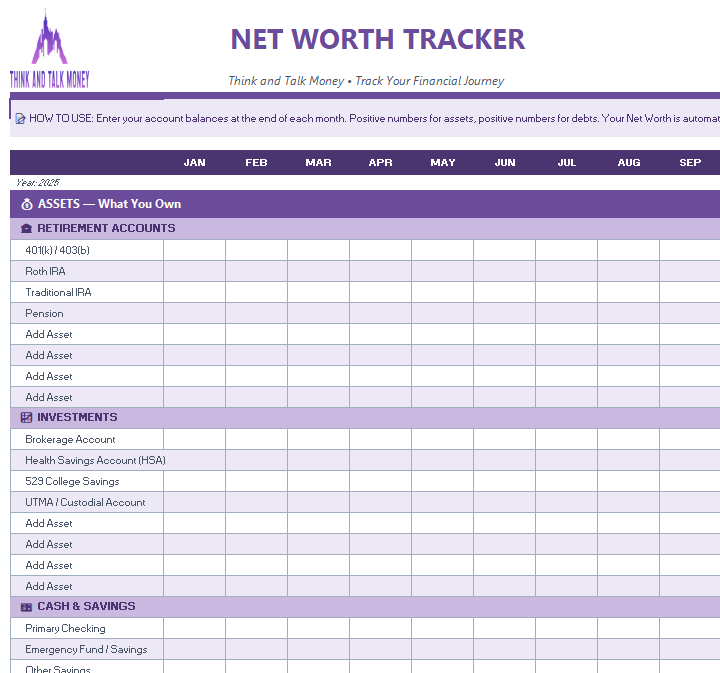
One more tip: use a financial calculator to see how much faster you’ll reach your goals if you’re able to throw additional money at them each month. Track and watch your net worth grow.
If you’re not ready for a side hustle, the same logic applies anytime you earn a bonus or commission at your primary job. Put that money to good use by paying down your debt.
Start using the Jay Leno Rule and never look back.
This concept of living off of my salary and not spending any bonus or side hustle income is one of the biggest reasons for my net worth today.
I recommend anyone striving for financial independence make the same commitment to not spend your supplemental income.
The hard part is getting past the initial temptation to spend your bonus money. If you can convince yourself that you don’t need the money right now to live the good life, you will be significantly better off down the road.
One of my favorite experiences teaching personal finance to law students involved a side hustle story. A couple of years ago, a student approached me during a break and told me about his credit card debt. It had been weighing heavily on him.
After our discussion about side hustles, he committed himself to driving for DoorDash and using the income to pay off his credit card balance.
Six months later he sought me out to share that the plan worked. His side hustle allowed him to pay off his credit card in less than six months. All while working a full-time job and attending law school par-time.
I couldn’t have been happier.
Jay Leno would certainly have approved.
Do you adhere to the Jay Leno Rule?
Has it helped accelerate your progress towards financial independence?
Let us know in the comments below.
Leave a Reply